Case Study 1: Facebook Events
Spammy Events Among Top User Issues
Overview
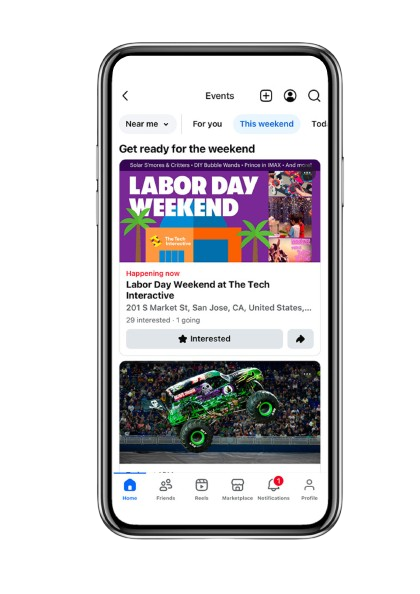
At Meta, I partnered with product, design, and support teams to analyze the top user-reported issues with the Facebook Events product. Spammy events overtook notifications as the #1 user complaint, generating over 800 reports in a single month. Users received explicit, repetitive, and misleading notifications that damaged trust. Additionally, Help Center articles for related issues like co-hosting were outdated, further frustrating users and driving up support load. My role was to uncover root causes, analyze notification copy that amplified the spam problem, and design clearer, more trustworthy UX content to reduce frustration and support load.
Problem
- Tight timeline: Needed to deliver actionable improvements within the reporting cycle.
- Volume of data: Over 2,000 user reports to synthesize across iOS, Android, and Web.
- Cross-team dependencies: Required quick input from product, design, and integrity teams.
- Content challenges: Outdated Help Center documentation and copy that unintentionally amplified spam.
Solution
- Analyzed user data: Segmented rage-shake reports by platform and experience to identify key pain points.
- Prioritized issues: Elevated spammy event notifications as the most urgent trust problem.
- Conducted competitor scan: Compared Meta Events with Meetup, Eventbrite, and LinkedIn to highlight gaps in spam filtering and notification relevance.
- Reviewed copy: Identified notification text that inflated credibility of spammy events and amplified repetition.
Project Goals
- Proposed notification copy and logic updates to reduce spam amplification.
- Advocated for deduplication so users would only receive one notification per event.
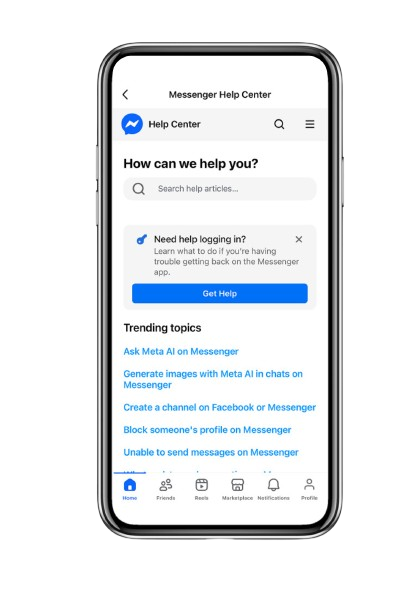
- Rewrote Help Center articles with updated, step-by-step instructions aligned to the current UI.
Rewritten Copy (proposed UX content)
Before: “230+ people are attending Gamble in Buy Sell or Trade in Kern County.”
After: (Notification suppressed — flagged as spam, not delivered)
Before: “A member of Duolingo Norwegian Learners created an event: PRIVATDATING.”
After: “Your group has a new event. Review details before joining.” (generic until integrity check passes)
Before: Repeat notifications for the same event.
After: “New event added: [Event Name]. You’ll only get one notification per event.” (deduplication logic reflected in system + copy)
Help Center (co-host issues):
Before: Outdated, incomplete steps.
After: “To add a co-host: Go to your event → Select Edit → Choose Co-hosts → Search by name or Page. Note: Co-hosts must accept your invite before they appear.”
Business Impact
- Improved trust: Suppressed explicit spam from surfacing in notifications.
- Reduced noise: Clearer copy and deduplication logic cut down on repetitive, irrelevant notifications.
- Help Center impact: Rewritten articles provided accurate, actionable guidance, reducing confusion and ticket volume.
- Strategic value: Highlighted systemic gaps in notification integrity and content governance, influencing longer-term improvements.